
https://shutterfly.onelink.me/1053802476

Dated: November 21 2025
Views: 14
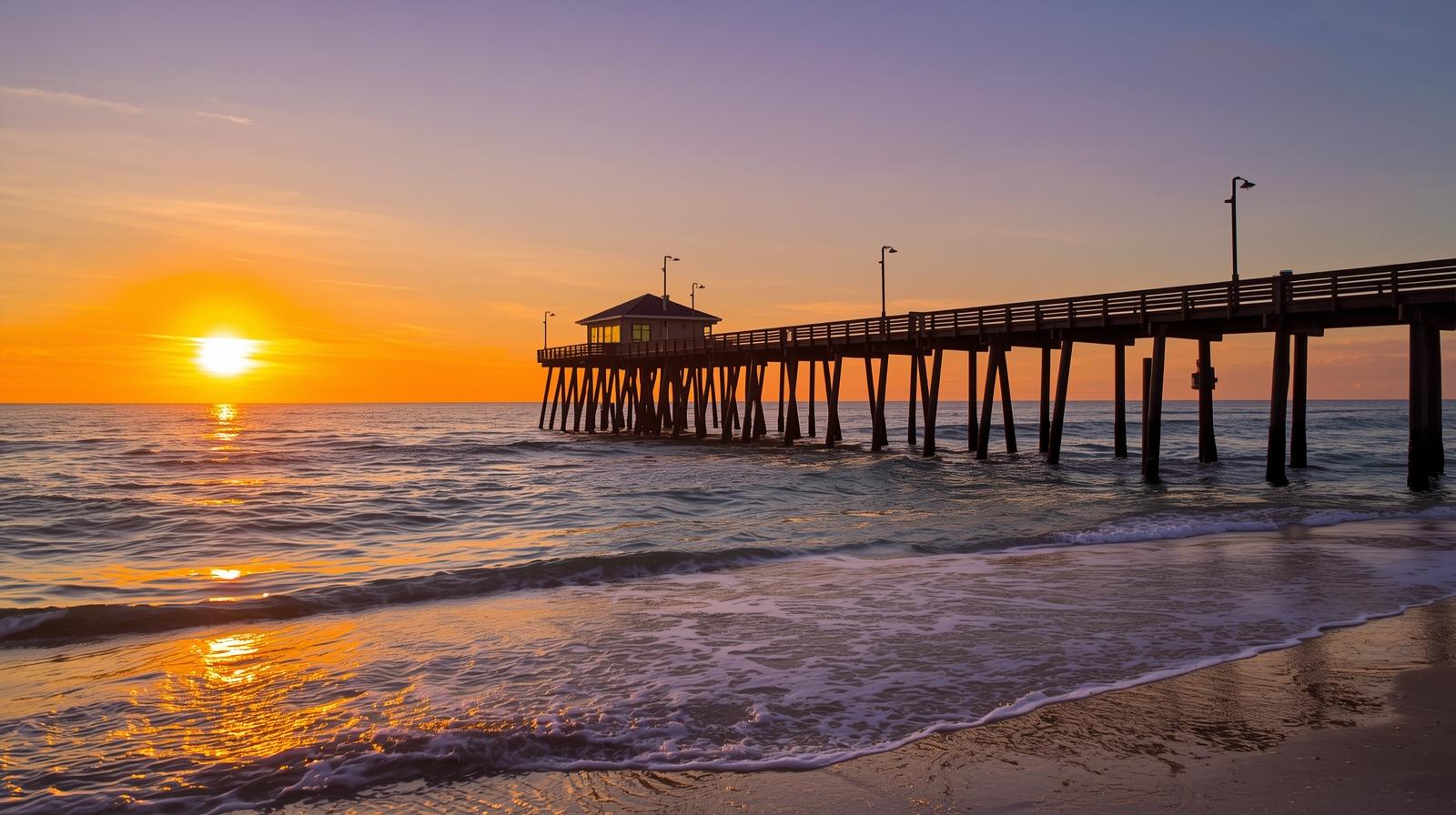
Welcome to a Charming Little Gulf Beach Community on the Southwest Coast of Florida / Bill Garison RE/MAX
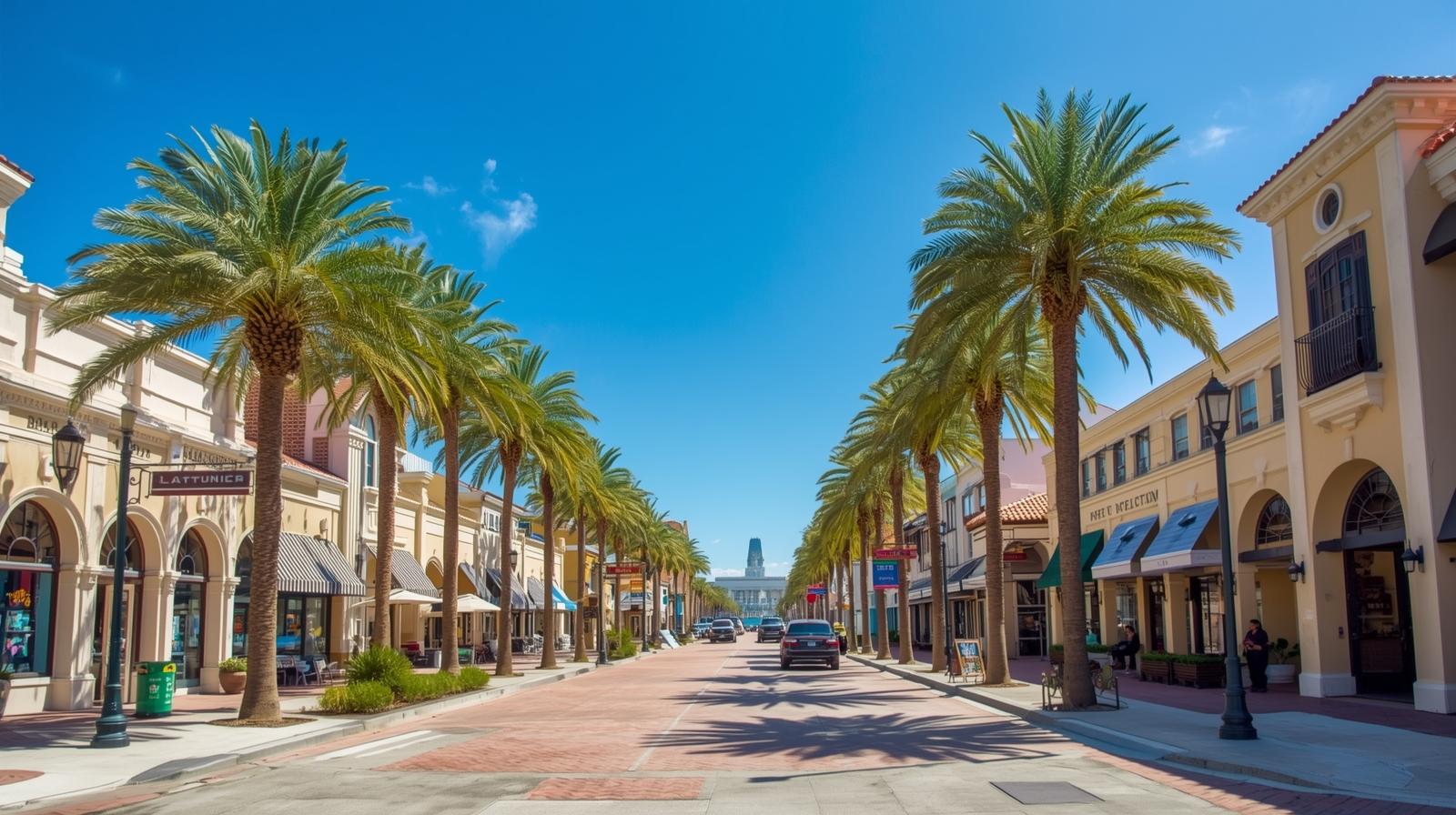 The history of Venice, Florida, dates back to early native inhabitants, but its modern development began in the late 19th and early 20th centuries as a planned community. Early industries included fishing and agriculture before the Florida land boom reshaped the town in the 1920s.
Early settlement
Pre-modern era: Archaeological evidence shows the Venice area was first inhabited by Paleo-Indians as early as 8200 BCE, with later settlements by Archaic peoples and Mound Builders. By the time the Spanish arrived, the region was a boundary between the Tocobaga and Calusa cultures.
American pioneers (1870s–1880s): The first white American settlers arrived in the 1870s. Robert R. Roberts established a homestead near what is now Roberts Bay, and Frank Higel, an entrepreneur, bought land and opened a citrus canning business. The area was first called "Horse and Chaise" due to a landmark tree formation, but in 1888, Higel suggested the name "Venice" for the new post office, inspired by the Italian city's resemblance to the area.
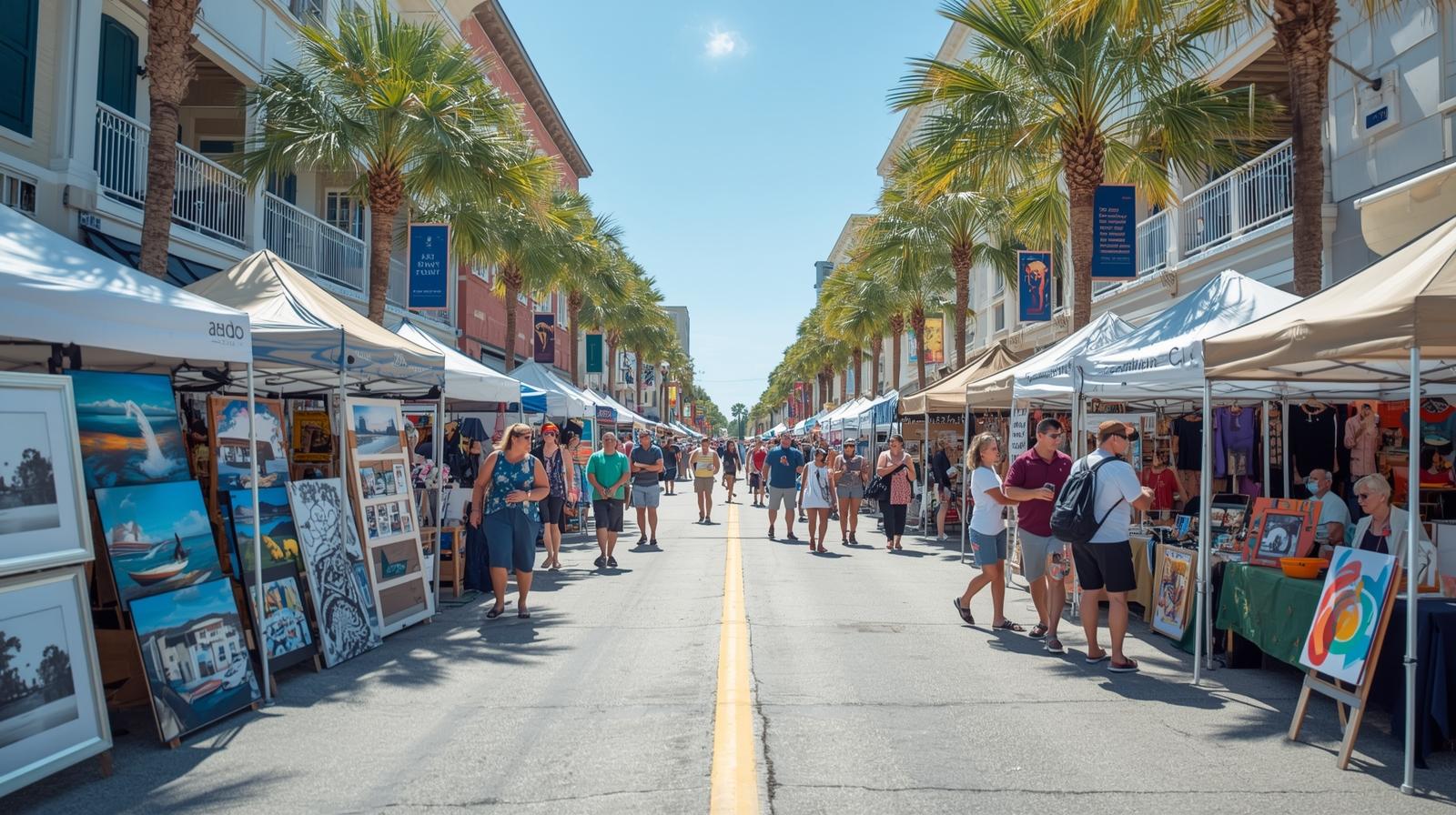
Planned community and development (1920s)
John Nolen's plan: In the 1920s, famed city planner John Nolen was hired to design Venice as a planned, Italian-style city, with wide boulevards, parks, and Mediterranean Revival architecture.
Brotherhood of Locomotive Engineers: Orthopedic surgeon Fred Albee purchased land for development and later sold it to the Brotherhood of Locomotive Engineers (BLE). The BLE oversaw the construction of the new community, which was incorporated as the "Town of Venice" in 1926 and the "City of Venice" in 1927.
The crash and military school: The stock market crash of 1929 and the Great Depression significantly hampered development, leading to the collapse of the BLE's real estate operations. The Kentucky Military Institute began holding its winter session in the city starting in 1932, providing an important economic boost during this time.
Post-war growth and the circus (1940s–1960s)
Venice Army Air Base: During World War II, a U.S. Army Air Base was established at the municipal airport for pilot training. After the war, the city acquired the land, and the base was decommissioned.
Circus winter home: The Ringling Bros. and Barnum & Bailey Circus moved its winter headquarters from Sarasota to Venice in 1960. This brought thousands of new residents and created a significant economic impact, and for many years, the city hosted the circus's Clown College.
Intracoastal Waterway: The construction of the Intracoastal Waterway in the 1960s expanded boating opportunities and effectively turned a portion of the town into an island, increasing its appeal as a vacation and retirement destination.
Modern era
Growth and designation: Venice has continued to grow as a popular tourist and retirement city. It has also been designated a Florida MainStreet City for its historic preservation efforts.
Recent events: In the modern era, the city has maintained its historic charm while adapting to growth. It has faced major weather events, including hurricanes in 2024. Today, Venice is known as the "Shark Tooth Capital of the World," a nod to the abundance of fossilized sharks' teeth found on its beaches.

## Why Choose Bill Garrison, Venice, Florida Realtor? With 50+ Google 5-Star Reviews, Bill Garrison, Associate Broker, RE/MAX Hall of Fame, is one of Venice, Florida’s most experienced and highly c....
Sarasota to Venice, Florida Homes and CondosIf you're looking for the best pizza in Venice, FLMay 9th, 2023 7:48 AM by WILLIAM GARRISONIf you're looking for the best pizza in Venice, FL, here are a
Should you require assistance in navigating our website or searching for real estate, please contact our offices at 941-800-4070.
Each Office Independently Owned and Operated.


We are pledged to the letter and spirit of U.S. policy for the achievement of equal housing opportunity throughout the Nation.
Visit remax.com for all U.S. listings.
 Copyright © MFRMLS.com All information deemed reliable but not guaranteed. All properties are subject to prior sale, change or withdrawal. Neither listing broker(s) or information provider(s) shall be responsible for any typographical errors, misinformation, misprints and shall be held totally harmless. Listing(s) information is provided for consumers personal, non-commercial use and may not be used for any purpose other than to identify prospective properties consumers may be interested in purchasing. Information on this site was last updated Last updated on September 13, 2026 4:37 PM UTC The listing information on this page last changed on Last updated on September 13, 2026 4:37 PM UTCd. The data relating to real estate for sale on this website comes in part from the Internet Data Exchange program of MFR MLS.
All information deemed reliable but not guaranteed. All properties are subject to prior sale, change or withdrawal. Neither listing broker(s) or information provider(s) shall be responsible for any typographical errors, misinformation, misprints and shall be held totally harmless. Listing(s) information is provided for consumers personal, non-commercial use and may not be used for any purpose other than to identify prospective properties consumers may be interested in purchasing.
Updated on September 13, 2026 4:37 PM UTC
Copyright © MFRMLS.com All information deemed reliable but not guaranteed. All properties are subject to prior sale, change or withdrawal. Neither listing broker(s) or information provider(s) shall be responsible for any typographical errors, misinformation, misprints and shall be held totally harmless. Listing(s) information is provided for consumers personal, non-commercial use and may not be used for any purpose other than to identify prospective properties consumers may be interested in purchasing. Information on this site was last updated Last updated on September 13, 2026 4:37 PM UTC The listing information on this page last changed on Last updated on September 13, 2026 4:37 PM UTCd. The data relating to real estate for sale on this website comes in part from the Internet Data Exchange program of MFR MLS.
All information deemed reliable but not guaranteed. All properties are subject to prior sale, change or withdrawal. Neither listing broker(s) or information provider(s) shall be responsible for any typographical errors, misinformation, misprints and shall be held totally harmless. Listing(s) information is provided for consumers personal, non-commercial use and may not be used for any purpose other than to identify prospective properties consumers may be interested in purchasing.
Updated on September 13, 2026 4:37 PM UTC
33. Required DMCA Notice
The Digital Millennium Copyright Act of 1998, 17 U.S.C. §512, the DMCA, provides recourse for copyright owners who believe that material appearing on the Internet infringes their rights under U.S. copyright law. If you believe in good faith that any content or material made available in connection with our website or services infringes your copyright, you (or your agent) may send us a notice requesting that the content or material be removed, or access to it blocked. Notices must be sent in writing by email to DMCAnotice@MLSGrid.com. The DMCA requires that your notice of alleged copyright infringement include the following information: (1) description of the copyrighted work that is the subject of claimed infringement; (2) description of the alleged infringing content and information sufficient to permit us to locate the content; (3) contact information for you, including your address, telephone number and email address; (4) a statement by you that you have a good faith belief that the content in the manner complained of is not authorized by the copyright owner, or its agent, or by the operation of any law; (5) a statement by you, signed under penalty of perjury, that the information in the notification is accurate and that you have the authority to enforce the copyrights that are claimed to be infringed; and (6) a physical or electronic signature of the copyright owner or a person authorized to act on the copyright owners behalf. Failure to include all of the above information may result in the delay of the processing of your complaint.
